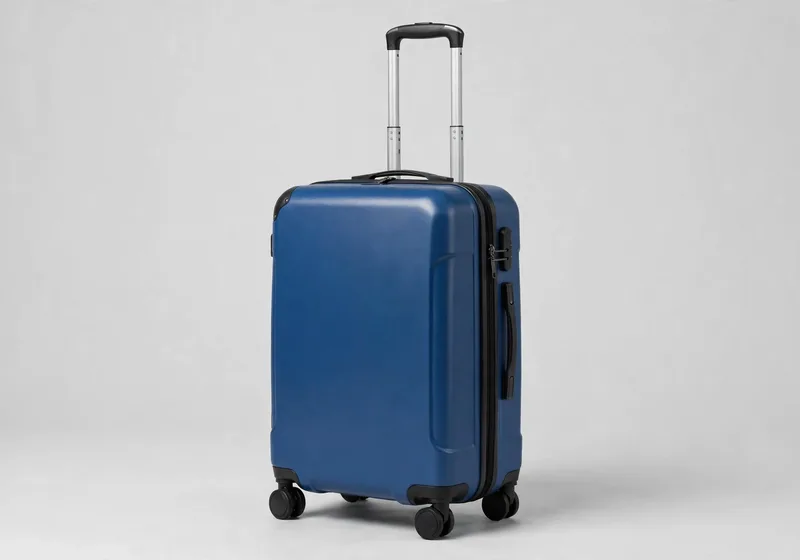
Shopping sites, airlines and travellers use four terms interchangeably, and the confusion costs people money — they buy a "cabin bag" and a "hand carry bag" as if they were different products, or assume a "carry-on" rule from an American video applies unchanged in Karachi. Let us settle the vocabulary once, because every other page on this site uses it consistently.
Different words, same bag: if it rides in the cabin within the size and weight limits, it is all of these names at once.
The four names, one bag
| Term | Where you hear it | Meaning |
|---|---|---|
| Hand carry / hand carry bag | Pakistan, South Asia, airline counters here | Bag carried into the cabin by hand |
| Hand luggage / hand baggage | British-style English; Emirates, Qatar and Etihad wording | Same bag |
| Cabin bag / cabin baggage | Airlines and luggage shops everywhere | Same bag — the one that goes in the cabin |
| Carry-on | American English, US airlines and videos | Same bag again |
When PIA's rules are reported as "hand carry 7 kg" and Emirates publishes "hand baggage 7 kg", they are describing the same allowance in regional dialects. Our research found Pakistanis search "hand carry" overwhelmingly, which is why this site uses it as the main term and treats the others as synonyms.
There is one more naming layer in shops: sellers describe suitcases by family size — "20-inch", "24-inch", "28-inch" — and buyers reasonably assume the number is a measurement they can compare with an airline's centimetre limit. It is not; it is a product-family label that usually excludes wheels. The 20-inch family is the cabin one, the 24 and 28 are checked sizes, but individual models vary by centimetres that matter. Translate every purchase into full external dimensions in centimetres — the habit that the Daraz guide drills — and the naming fog lifts entirely.
The distinction that does matter: cabin bag vs personal item
Inside the cabin there are two classes of bag. The cabin bag is the main piece: locker-sized (about 55 x 40 x 20 cm), weight-limited (usually 7 kg). The personal item is the smaller second piece — handbag, small briefcase, laptop sleeve — that fits under the seat. Mixing these up is the real source of gate trouble, and it is why two-bag questions and the handbag rule get their own pages. A "cabin bag" that is small enough to go under the seat can serve as a personal item; a personal item can never grow into a cabin bag for free.
Locker above, seat-space below: two homes for two classes of cabin luggage.
And both are different from checked baggage
Checked (hold) baggage travels in the aircraft's hold, is weighed and tagged at check-in, and follows different rules — larger weights, and a hard ban on power banks and spare lithium batteries, which must stay in the cabin. Airlines also distinguish "cabin bag vs hold bag" in fare construction: the cheapest fares sometimes include only a personal item, with the cabin bag and checked bag sold as add-ons. Reading any fare, translate its words with the table above and the two-class model, and the offer becomes clear. The size and weight numbers themselves live in the size and weight guide.